A day on an Armenian flower farm: greenhouse work from 07:00 to 17:00
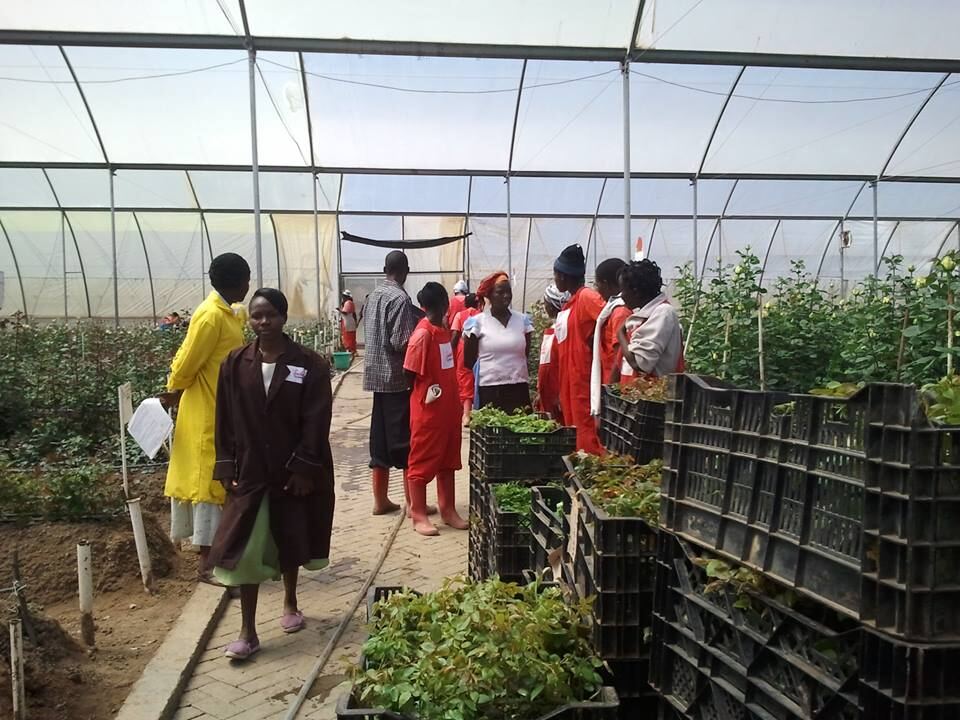
A greenhouse is a factory made of plastic and sunlight. The work is steady, repetitive and physical, the roof keeps the weather off you, and in the middle of the day it is hot. If you have ever worked a field at home, you already understand nine tenths of this job.
Where these farms are
Most of the greenhouse jobs we list sit in the Armavir region and the Ararat valley, forty minutes to an hour west and south of Yerevan. The farms grow roses and other cut flowers for export, along with tomatoes, cucumbers and greens for the local market. Workers usually live on site or in a village nearby, in a room shared with one or two colleagues.
The shift, hour by hour
- 06:30 — Wake up, tea, walk to the block. Most farms are a few minutes from the accommodation.
- 07:00 — Start. The foreman splits the crew by row and by task: cutting, pinching, tying, spraying, sorting.
- 07:00 to 10:00 — The best hours. The air is still cool, the plants are fresh, and cutting is done early so the flowers keep.
- 10:00 — Fifteen minutes, water and bread. In summer you drink far more than you expect to.
- 10:15 to 13:00 — The house warms up. Work slows a little; the foreman moves people between rows so nobody stands in the hottest corner all morning.
- 13:00 — Lunch, usually an hour. On many farms one meal is provided.
- 14:00 to 17:00 — Sorting, packing, crate work, cleaning the paths, carrying trays to the cold room.
- 17:00 — End of shift. In peak season the farm asks for extra hours, and those hours are paid on top.
What you actually do
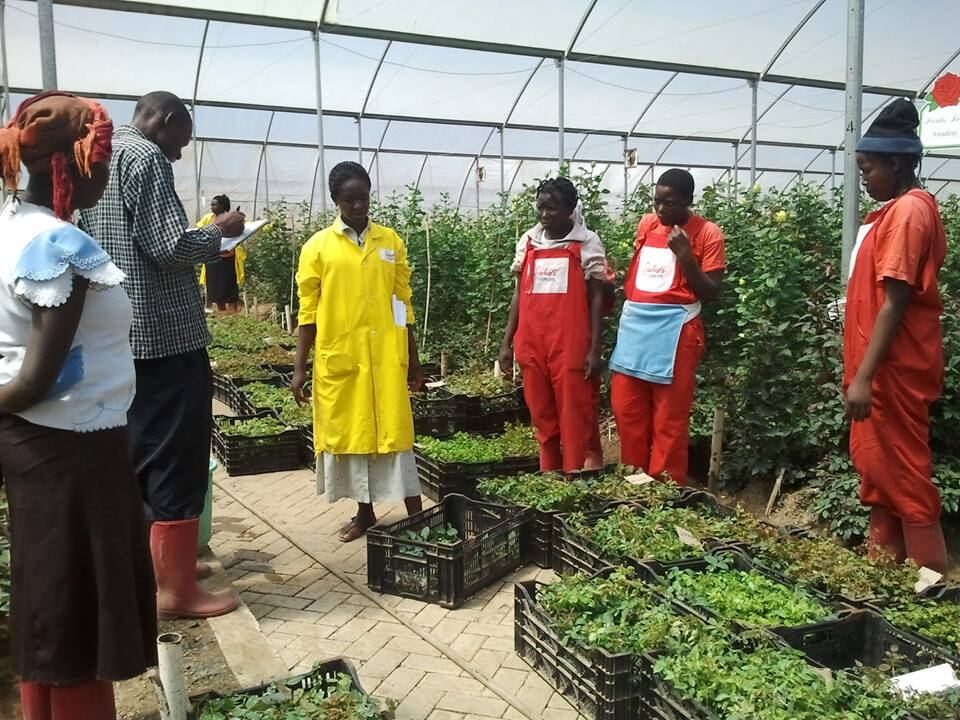
- Cutting flowers at the right stage and laying them in trays without bruising the heads.
- Pinching, de-leafing and tying plants to the wires so the rows stay open and the stems grow straight.
- Moving trays and crates to the packing area and to the cold room.
- Grading: separating first quality from second, cutting stems to length, bunching.
- Watering and feeding under instruction, and helping with spraying when the agronomist says so.
- Keeping the paths, the tools and the packing tables clean. A dirty greenhouse gets disease.
Nothing here needs a diploma. What it needs is hands that keep working at the same speed at hour seven as at hour one, and the discipline to follow the agronomist exactly. Plants do not forgive a careless week.
The hard parts, stated plainly
- Heat. From June to September the middle of the day inside the house is heavy. You drink, you cover your head, you keep moving.
- Repetition. The same movement for hours. Backs and wrists complain in the first two weeks, then adapt.
- Seasons. Peaks before big holidays mean long days; quiet weeks mean ordinary ones.
- Village life. Shops close early, the nearest city is a bus ride away, and your colleagues become your circle.
Greenhouse flower farm worker, Armenia
- Region
- Armavir and the Ararat valley
- Hours
- About 40–48 per week, day shift
- Pay on our board
- From about 250,000 AMD a month, after tax
- Extras
- Usually accommodation, often one meal on shift
- Experience
- Not required; farm or field work helps
- Documents
- Passport and photo; work permit filed by the employer
Who this job suits
It suits people who want a quiet, predictable year: steady hours, food and a room sorted, money sent home every month. It does not suit someone who wants city life every evening, or who expects to be promoted into an office in six months. The realistic step up is becoming the person the foreman trusts with the cold room, the sprayer or the new crew.
The people who last on a farm are the ones who like finishing a row and seeing it done. That is the whole trick.
A farm foreman in Armavir, paraphrased
Before you apply
Check that your passport is valid for well over a year, take a clean photo of the data page, and be honest on the video call about what you have done before. Greenhouse employers are not looking for a perfect CV. They are looking for someone who understands what ten hours in a plastic house feels like and still wants the job.
More guides
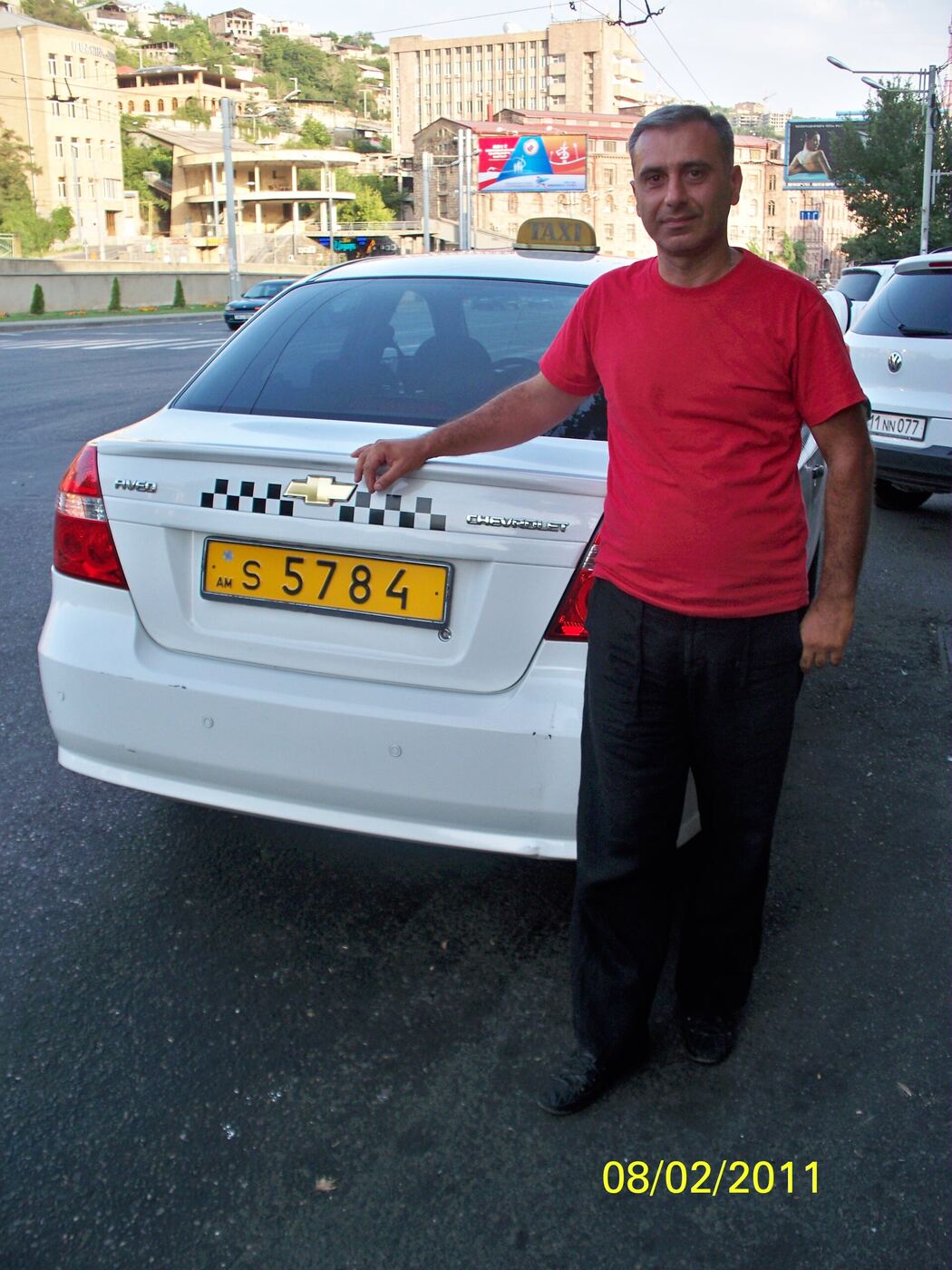
Taxi driver in Yerevan: licence, shifts and what the city is like to drive
Driving a taxi in Yerevan as a foreign worker: the licence and qualification the job needs, how shifts and earnings work, and how the work permit is filed.

Delivery courier in Yerevan: the round, the bag and the licence
Food and parcel delivery in Yerevan: how the shift works, what the courier needs, what the job pays in drams, and why the driving licence decides who can apply.