General construction worker in Yerevan: the site, the shift, the pay
Yerevan has been building for a decade: apartment blocks on the northern edge, hotels in the centre, renovation everywhere. Sites like these run on general workers — the people who move material, mix, dig, strip formwork and keep the trades supplied. It is the most common job we fill in Armenia.
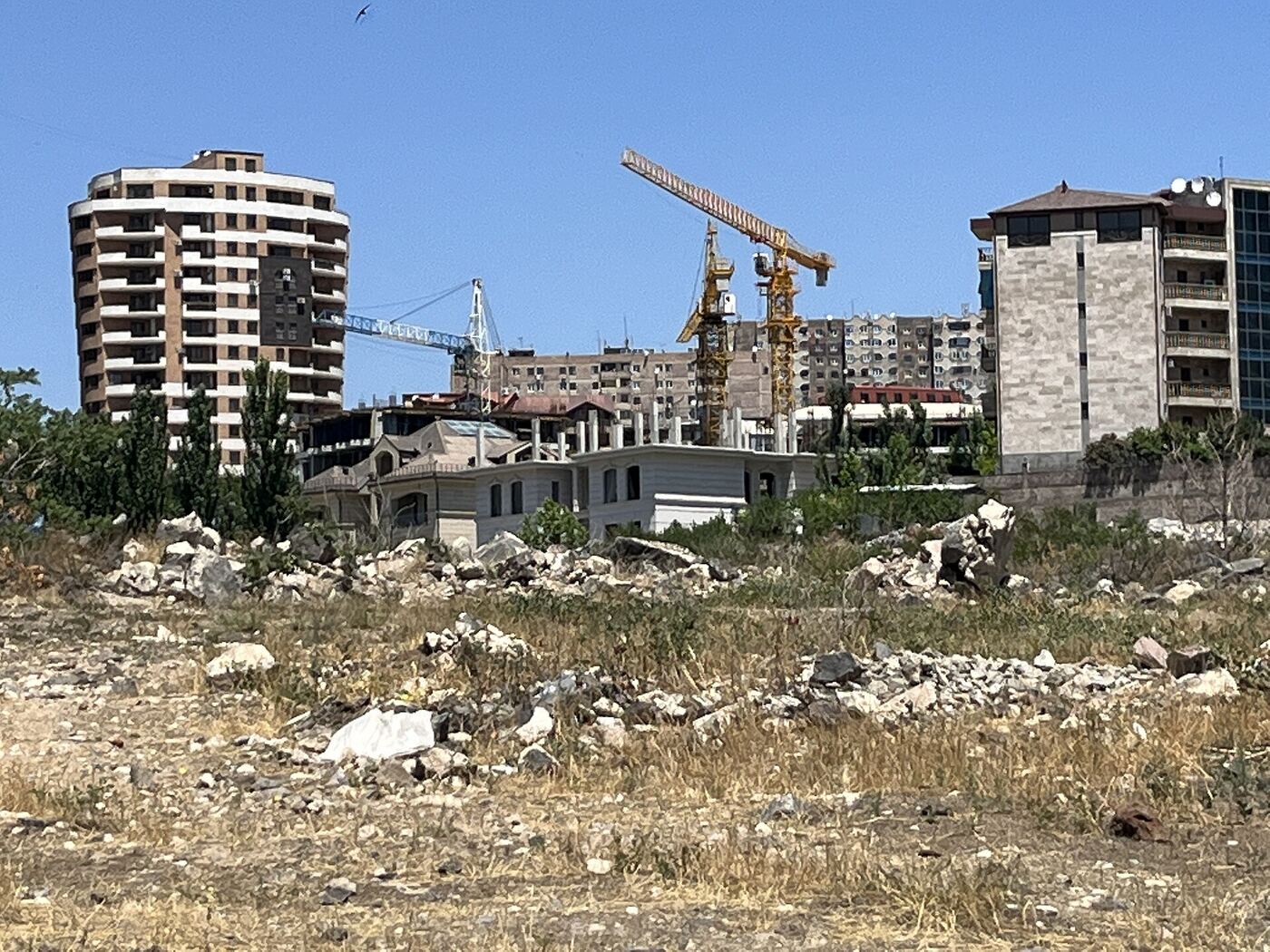
What a general worker does
A general worker is not a bricklayer, a welder or an electrician. You are the person who makes it possible for them to work: carrying and stacking material, mixing and moving mortar and concrete, digging and backfilling, stripping and cleaning formwork, loading waste, sweeping the floor a trade has just finished with.
If you already have a trade, say so on the call. Armenian sites are short of finishers, tilers, rebar fixers and formwork carpenters, and a man who can prove a trade moves off general duties quickly, with the pay following.
The shift, hour by hour
- 07:30 — Arrive, change, sign in. The foreman gives the crew the plan for the day and the safety brief for whatever is being lifted.
- 08:00 — First block of work. Usually the heaviest: unloading a delivery, moving blocks and bags to the floor where they are needed.
- 10:30 — Short break. Tea, bread, cigarettes for those who smoke.
- 10:45 to 13:00 — Supporting the trades. Mixing, feeding the concrete pour, holding and fixing formwork, digging where the machine cannot reach.
- 13:00 — Lunch, an hour. Many employers pay for a canteen meal or give an allowance.
- 14:00 to 17:30 — Second half: stripping formwork, cleaning it, stacking it, carrying waste to the skip, preparing tomorrow’s material.
- 17:30 — Tools away, site swept, sign out. Overtime happens before a pour or a deadline and is paid separately.
What the crew expects from a newcomer
- Turn up on time, every day. On a site, a man who is late once a week is a problem for six other people.
- Wear the helmet, boots and vest. Armenian sites are inspected, and the employer loses money if you are not dressed.
- Learn the twenty words of Russian or Armenian that matter: numbers, up, down, stop, water, careful, more, enough.
- Ask before you lift something heavy alone. Nobody is impressed by an injury in week one.
- Keep your own area clean. It is the fastest way to be trusted.
The hard parts, stated plainly
- Weather. Yerevan summers are dry and very hot; winters are cold and the site keeps working.
- Dust and noise all day, and stairs — many buildings have no lift while the structure goes up.
- Physical load. The first fortnight hurts. After that your body settles into the rhythm.
- Deadlines. Before a concrete pour the day gets longer, and the crew stays until it is finished.
General construction worker, Yerevan
- City
- Yerevan
- Hours
- About 48 per week, day shift, six days is common
- Pay on our board
- From about 350,000 AMD a month, after tax
- Extras
- Often accommodation or a housing allowance; PPE from the employer
- Experience
- Not required for general duties; a trade raises the pay
- Documents
- Passport and photo; work permit filed by the employer
How the hiring runs
You apply to a named vacancy, fill in your passport data and upload two documents. We check them, hold a short video call, and then our legal partner prepares the work permit filing with the employer through the state system. The state decides. When the case is filed you get a document from us with your case number, and when the decision arrives we send it to you.
The best general workers on my site started with nothing but a willingness to carry. Two of them are foremen now.
A site manager in Yerevan, paraphrased
Before you apply
Bring proof of any trade you have — photos of your work, a certificate, a reference with a phone number. Be straight about what you can and cannot do. Construction is one of the few jobs where an honest answer on day one is worth more than a polished CV.
More guides
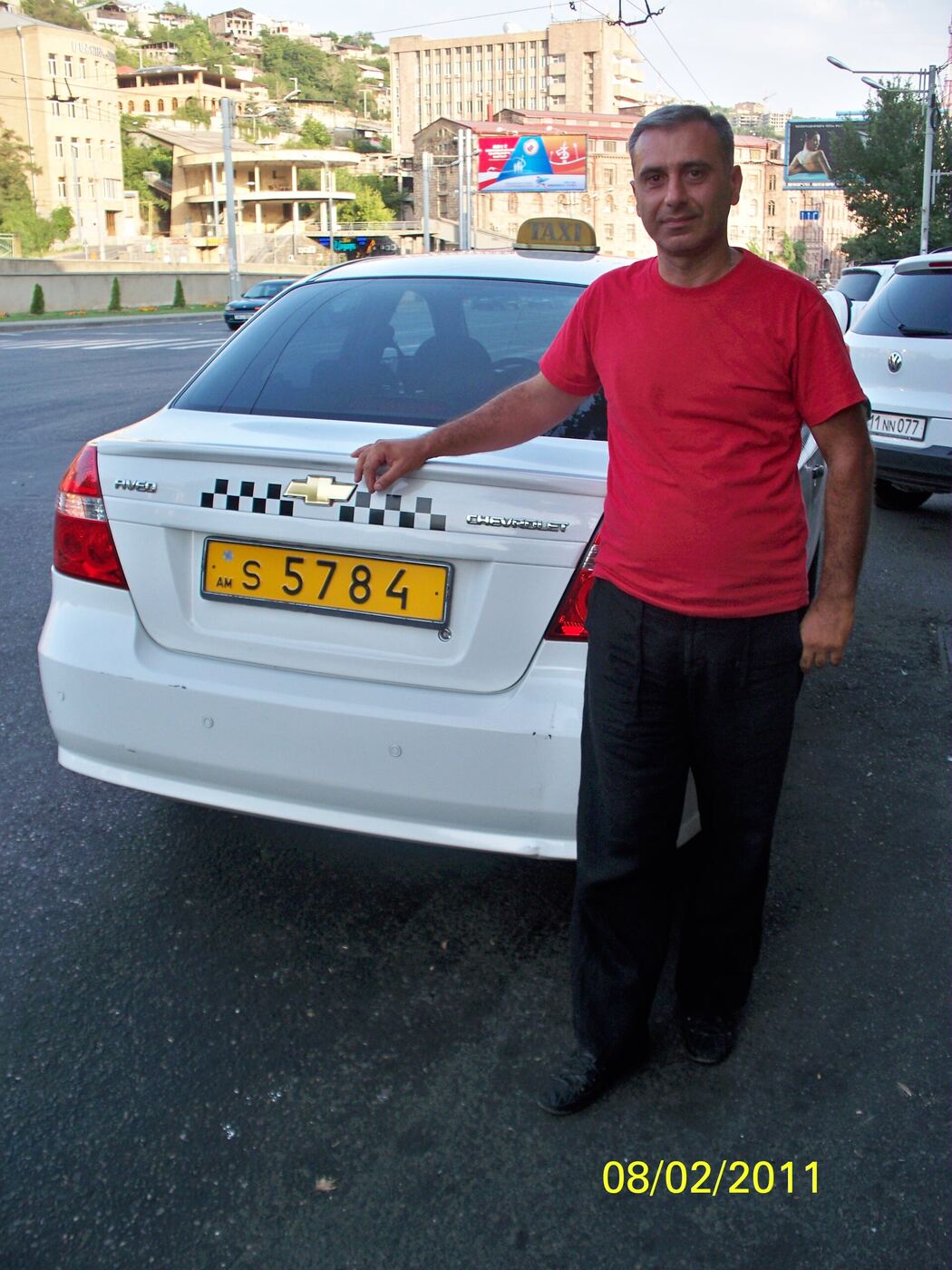
Taxi driver in Yerevan: licence, shifts and what the city is like to drive
Driving a taxi in Yerevan as a foreign worker: the licence and qualification the job needs, how shifts and earnings work, and how the work permit is filed.

Delivery courier in Yerevan: the round, the bag and the licence
Food and parcel delivery in Yerevan: how the shift works, what the courier needs, what the job pays in drams, and why the driving licence decides who can apply.