Cleaning staff in Yerevan: offices at dawn, buildings in the day
Cleaning is the quietest job on our board and the one candidates underestimate. It is early, it is methodical, it is indoors, and the people who do it well are the ones a building manager never wants to lose.
Two kinds of round
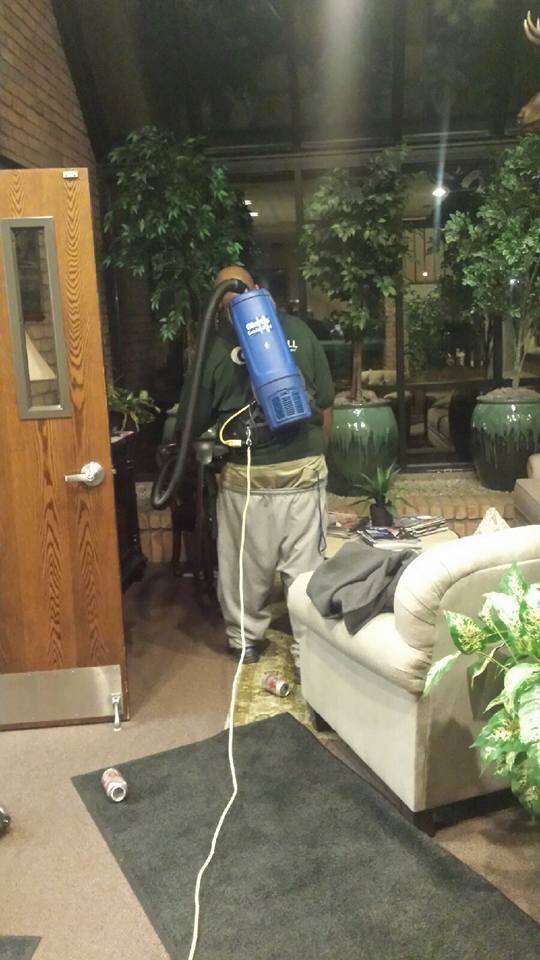
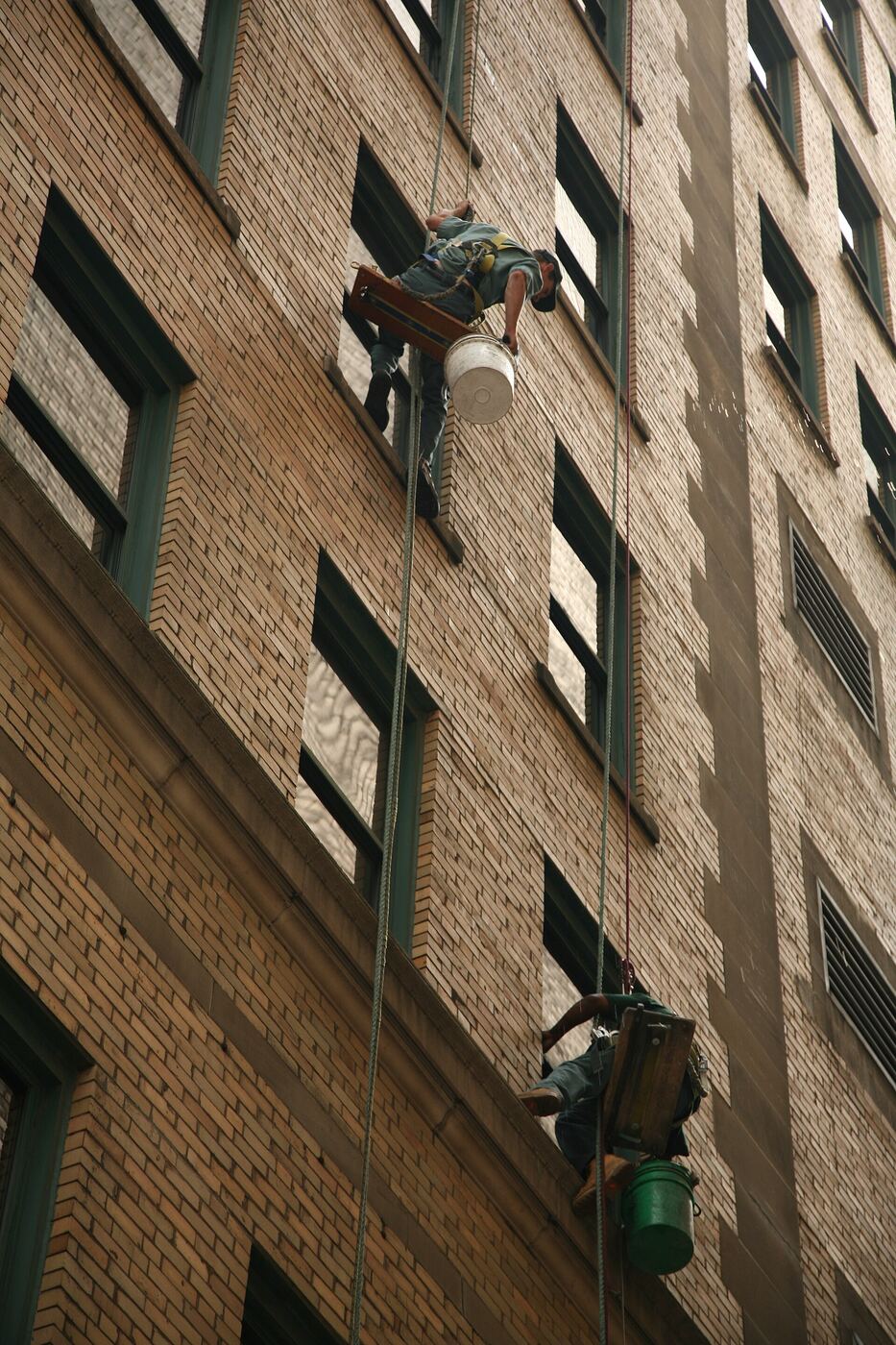
Cleaning contracts in Yerevan split into two shapes. The office round runs early morning or late evening, when the floors are empty: bins, desks, glass, kitchens, toilets, floors, in that order, office by office. The building round runs through the day in residential blocks and business centres: entrance halls, stairs, lifts, corridors, windows in reach, the yard in front.
Most employers keep a worker on one route so that the round becomes automatic. You learn the building, the building learns you, and the work gets faster without getting worse.
An office shift, hour by hour
- 06:00 — Arrive, collect the trolley, check the chemicals and cloths for the floors you have.
- 06:15 — Bins first, all floors. Then kitchens: sinks, counters, the coffee machine tray everyone forgets.
- 07:00 — Toilets. This is the part the client judges you on, so it is done slowly and properly.
- 07:45 — Desks and glass: dust, fingerprints, meeting-room tables, door handles.
- 08:30 — Floors: vacuum the carpet, mop the hard floors, wet-floor signs out while they dry.
- 09:15 — Restock paper and soap, note what is running low, report anything broken.
- 09:30 — Trolley away, sign off. Some contracts add an afternoon round in the same building.
What the employer provides, and what you bring
- Provided: trolley, chemicals, cloths, gloves, uniform, and training on which product goes on which surface.
- Provided by most of our employers: accommodation or a housing allowance, since shifts start before the buses do.
- You bring: comfortable shoes with grip, and the patience to do the same round to the same standard every day.
- You do not need: language. A cleaning round is learned by walking it twice with the supervisor.
The hard parts, stated plainly
- Early starts. A 06:00 shift means a 05:00 alarm, and that never becomes fun.
- Standing and bending for the whole shift; knees and shoulders take the load.
- Toilets and rubbish, every day, without shortcuts. This is the job.
- Invisible work. When you do it perfectly, nobody notices. When you miss a corner, everybody does.
Cleaning staff for offices and residential buildings, Yerevan
- City
- Yerevan
- Hours
- About 40 per week; early morning, evening or day rounds
- Pay on our board
- From about 250,000 AMD a month, after tax
- Extras
- Usually accommodation or an allowance; uniform and equipment provided
- Experience
- Not required; hotel or facility experience helps
- Documents
- Passport and photo; work permit filed by the employer
Who this job suits
It suits people who want indoor work with a fixed route and a fixed finish time, and who would rather be trusted with keys than shouted at on a site. Women apply for these contracts as often as men, and several of our employers prefer mixed teams. The realistic step up is supervisor: the person who allocates rounds, orders stock and shows the new worker the route.
A good cleaner is the one who reports the leaking tap before the client finds it. That is who we keep.
A facility manager in Yerevan, paraphrased
Before you apply
Say plainly whether you can start at six in the morning, and whether you are willing to do toilets — both questions come up on the call, and an honest no is better than a surprise in week one. Everything else is taught on the round.
More guides
Taxi driver in Yerevan: licence, shifts and what the city is like to drive
Driving a taxi in Yerevan as a foreign worker: the licence and qualification the job needs, how shifts and earnings work, and how the work permit is filed.

Delivery courier in Yerevan: the round, the bag and the licence
Food and parcel delivery in Yerevan: how the shift works, what the courier needs, what the job pays in drams, and why the driving licence decides who can apply.